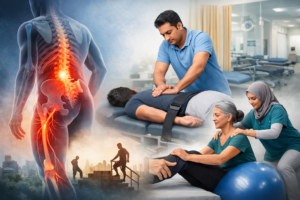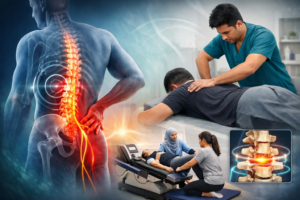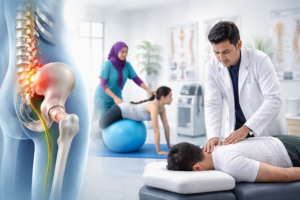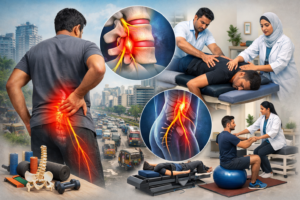
Nerve pain is one of the most uncomfortable and disabling types of musculoskeletal pain experienced by many people in Dhaka. Unlike typical muscle or joint pain, nerve pain often feels like burning, electric-shock sensations, tingling, numbness, or weakness that can significantly disrupt everyday activities. Tasks such as sitting, walking, sleeping, or working may become difficult, and many patients struggle for long periods without receiving effective treatment.
In Dhaka, nerve pain is often managed with painkillers, injections, or extended rest. While these methods may temporarily reduce symptoms, they rarely address the underlying cause of nerve irritation. As a result, the pain often returns and may gradually worsen. This has increased the importance of specialized nerve pain physiotherapy, which focuses on restoring normal nerve function and improving movement rather than simply masking pain.
ASPC Manipulation Therapy Centre is widely recognized as one of the leading centers for non-surgical nerve pain treatment in Dhaka. Under the clinical expertise of Dr. Mohammad Shahadat Hossain and the rehabilitation guidance of Dr. Sapia Akter, the center provides structured physiotherapy that combines advanced manual therapy, precise diagnosis, and personalized rehabilitation programs. Their approach emphasizes safe, targeted treatment aimed at long-term recovery and improved quality of life.
Understanding Nerve Pain from a Physiotherapy Perspective
Nerve pain, also known as neuropathic pain, occurs when a nerve is irritated, compressed, inflamed, or sensitized. In Dhaka, common sources of nerve pain include:
Sources of Pain
Spinal disc problems, postural stress, prolonged sitting, repetitive movements, muscular tightness, and poor movement mechanics.
Beyond Structure
Nerve pain is influenced by nerve mobility, sensitivity, blood supply, and spinal loading during daily activities.
Effective nerve pain physiotherapy requires understanding how the nervous system behaves during movement and stress. This explains why imaging findings such as MRI reports often fail to fully explain a patient’s symptoms.
Why Nerve Pain Is Increasing in Dhaka
Rapid urbanization and lifestyle changes have significantly contributed to the rising incidence of nerve pain in Dhaka. Long hours of sitting in traffic or office environments, inadequate ergonomic setups, lack of regular physical activity, and physically demanding jobs all place excessive strain on the spine and peripheral nerves.
Delayed access to specialized physiotherapy further compounds the problem. Many patients tolerate symptoms for months or years, relying on medication rather than seeking targeted conservative treatment. By the time physiotherapy is initiated, nerve pain may have already become chronic, requiring a more structured and patient-specific approach.
Limitations of Medication-Based Management
Painkillers and nerve-modulating drugs may reduce discomfort temporarily, but they do not correct the mechanical or functional factors responsible for nerve irritation. Injections may provide short-term relief but often fail to address movement dysfunctions or postural stress. Over time, patients may experience diminishing benefits while functional limitations persist.
The ASPC Clinical Framework
Clinical Assessment: The Foundation
At ASPC Manipulation Therapy Centre, treatment begins with a detailed clinical assessment. This includes evaluation of pain history, symptom behavior, neurological function, spinal mobility, posture, gait, muscle balance, and functional movements. Accurate diagnosis ensures that treatment is targeted, safe, and effective.
SDM Method
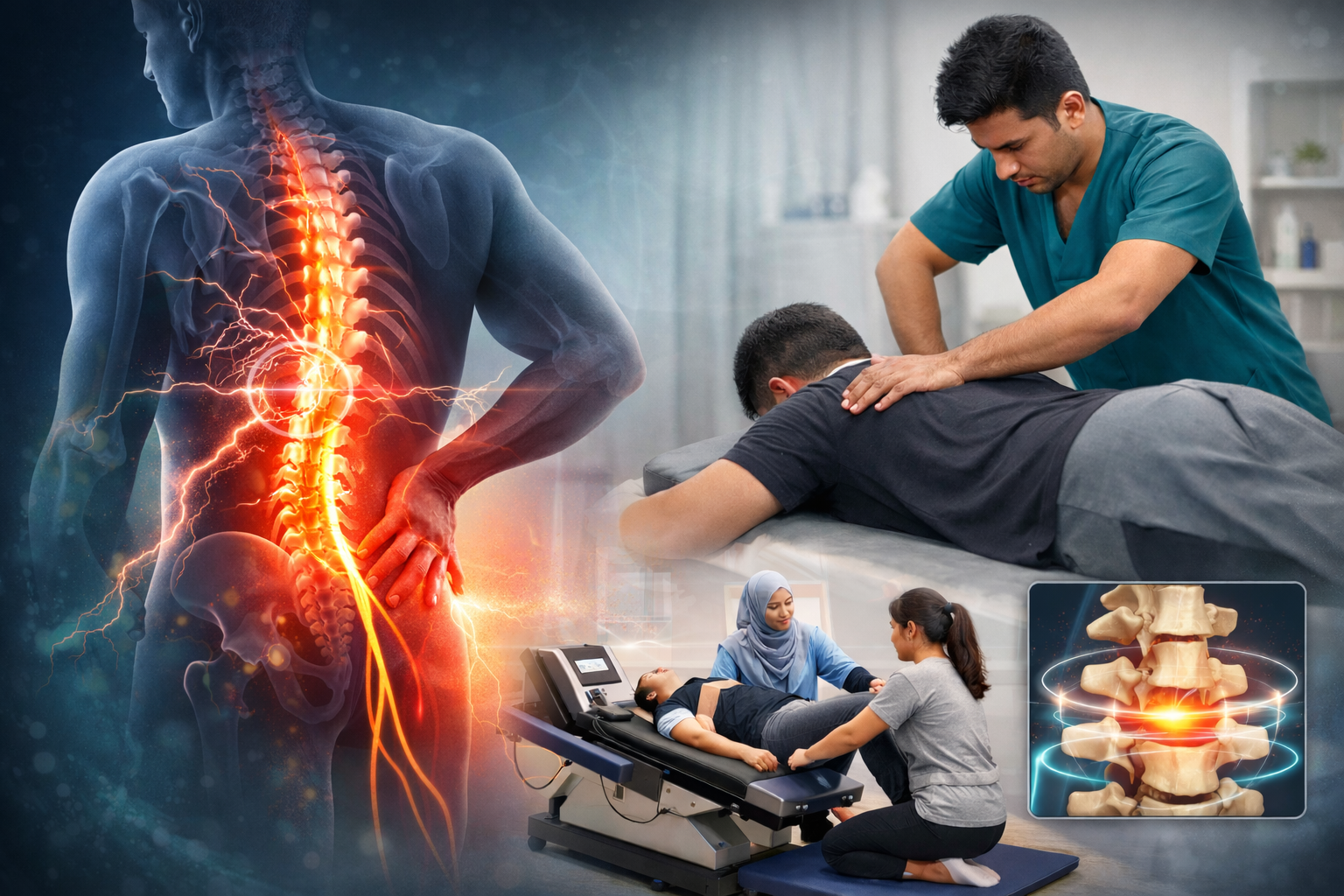
Spinal Decompression Method (SDM) is a non-surgical technique designed to reduce pressure on spinal discs and nerve roots. It improves disc hydration and reduces mechanical stress on irritated nerves.
Manual Therapy
Gentle mobilization techniques help restore normal movement in spinal and pelvic joints, reducing nerve tension even without significant structural damage.
Neurodynamic Therapy
Also known as nerve mobilization, this focuses on restoring the normal sliding and gliding ability of nerves during movement to reduce sensitivity.
Specialized Rehabilitation & Care
Pain relief alone does not ensure recovery. Sustainable improvement requires restoring muscular support, movement control, and functional confidence. This is where the rehabilitation expertise of Dr. Sapia Akter, PT becomes essential.
Postural and Functional Re-Education
Many nerve pain conditions are aggravated by faulty posture and inefficient movement patterns. Physiotherapy focuses on retraining patients in proper sitting, standing, lifting, and sleeping postures. This phase of treatment is crucial for preventing recurrence and ensuring that improvements are maintained over time.
Patient Satisfaction and Experience
Patient satisfaction is a consistent indicator of successful nerve pain physiotherapy at ASPC. Many patients report that they finally receive a clear explanation of their condition after years of uncertainty. The logical and reassuring communication style of Dr. Mohammad Shahadat Hossain, PT helps reduce fear, while the supportive rehabilitation approach of Dr. Sapia Akter, PT builds confidence throughout recovery.
Patients often describe the treatment as gentle yet effective, noting gradual and lasting improvement rather than short-lived relief. Reduced dependence on medication and renewed trust in their bodies are commonly reported outcomes.
Long-Term Outcomes
With expert physiotherapy, most patients experience meaningful reduction in nerve pain, improved functional capacity, and enhanced quality of life. Early intervention reduces the likelihood of chronic pain and recurrence. By addressing both physical and behavioral contributors, nerve pain physiotherapy offers a comprehensive solution for long-term recovery.
Provider Comparison in Dhaka
In Dhaka, many patients initially visit general physicians or orthopedic clinics where treatment mainly focuses on medication, injections, or electrotherapy. While these methods provide temporary relief, they often fail to address root causes like nerve compression or movement imbalance.
Institutions such as the Centre for the Rehabilitation of the Paralysed (CRP) and NITOR (Pongu Hospital) provide essential multidisciplinary services but often have broad programs rather than focused nerve-specific musculoskeletal care. Private clinics like Pain Care, Advance, Mayfair, and Physiocare offer useful services but frequently rely on conventional routine protocols (heat, ultrasound, traction) rather than detailed biomechanical assessment.
ASPC Manipulation Therapy Centre stands out by focusing particularly on spinal and nerve-related conditions. Instead of relying mainly on machines, ASPC emphasizes hands-on manual therapy, spinal decompression, and individualized rehabilitation designed to restore normal nerve function.
Expert Non-Surgical Recovery
Nerve pain requires accurate diagnosis and specialized physiotherapy to achieve lasting recovery. ASPC Manipulation Therapy Centre stands out through its root-cause-based approach. Under the clinical expertise of Dr. Mohammad Shahadat Hossain and Dr. Sapia Akter, we help you restore function, improve movement, and return to your daily activities safely.