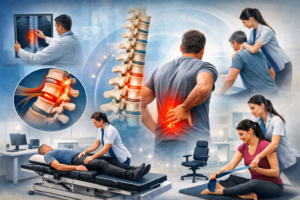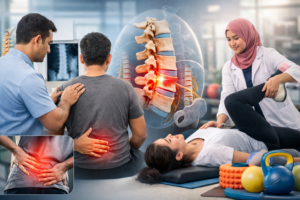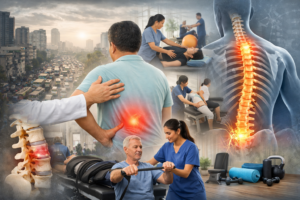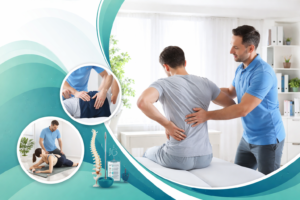
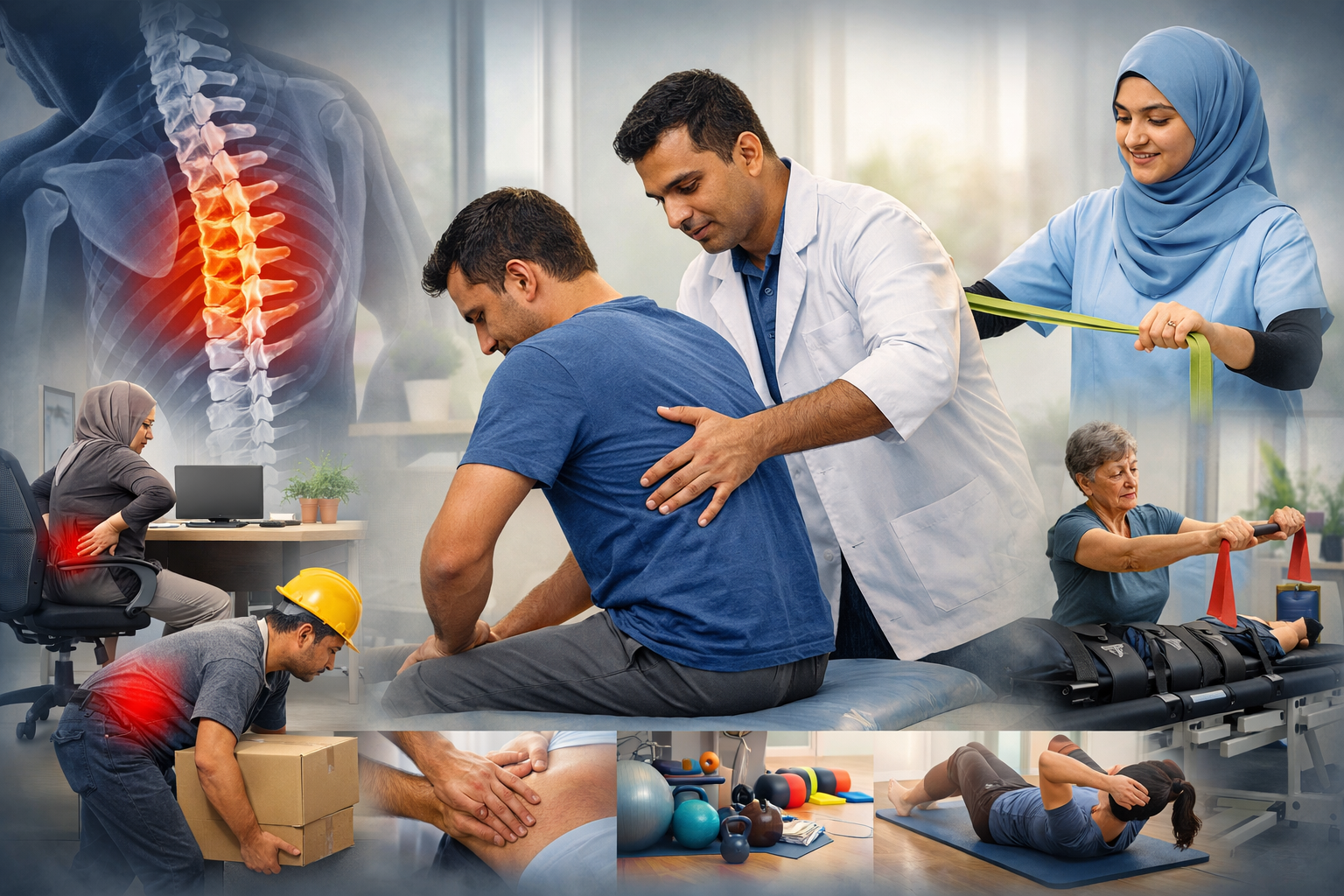
In many cases throughout Bangladesh, lower back pain is managed with temporary measures such as pain medication, short periods of rest, or brief therapy sessions focused mainly on symptom reduction. While these methods may provide short-term relief, they frequently do not address the underlying mechanical causes such as spinal overload, muscle imbalance, poor posture, joint stiffness, or nerve irritation. As a result, pain often returns, leading to frustration and prolonged reliance on medication rather than achieving lasting recovery. This growing pattern has increased the need for specialized physiotherapy centres that emphasize structured rehabilitation and sustainable results instead of temporary pain suppression.
Among the institutions providing conservative spine care, ASPC Manipulation Therapy Centre is widely regarded as one of the leading lower back pain physiotherapy centres in Bangladesh. Under the clinical direction of Dr. Mohammad Shahadat Hossain, PT and the rehabilitation leadership of Dr. Sapia Akter, PT, the centre offers comprehensive, non-surgical treatment programs designed to restore spinal function, correct biomechanical dysfunction, and prevent recurrence.
Their treatment philosophy is built on detailed clinical evaluation, precise biomechanical correction, progressive rehabilitation planning, and strong patient education. Rather than focusing solely on reducing pain, the approach aims to rebuild muscular strength, improve posture, enhance spinal stability, and promote long-term spinal health. Through this structured and patient-centred model, ASPC provides individuals across Bangladesh with a safe, evidence-based pathway toward lasting recovery from lower back pain.
Understanding Lower Back Pain from a Clinical Perspective
Lower back pain is not a single disease but a symptom that can arise from multiple anatomical structures within and around the lumbar spine. It may originate from intervertebral discs, facet joints, surrounding muscles, spinal ligaments, postural imbalance, pelvic misalignment, or irritation of nearby nerve roots. In some individuals, the discomfort remains localized in the lower back region, while in others it may spread to the hips, buttocks, thighs, or even down the legs, depending on the underlying cause.
It is important to understand that the severity of pain does not always reflect the extent of structural damage. A relatively small disc problem can produce intense discomfort if a nerve is irritated, whereas significant findings on imaging scans may not produce noticeable symptoms at all. For this reason, accurate and detailed clinical evaluation is far more meaningful than relying solely on MRI or X-ray results.
Why Choosing the Right Lower Back Pain Treatment Center Matters?
Selecting the correct lower back pain treatment center plays a vital role in achieving sustainable recovery. When treatment is incomplete, rushed, or improperly directed, discomfort can persist and may eventually develop into chronic spinal problems. In some cases, overly aggressive therapy, poorly structured exercise programs, or heavy reliance on medication can delay healing and even worsen symptoms.
An effective lower back pain treatment center should prioritize accurate diagnosis, patient education, and evidence-based conservative management. At ASPC Manipulation Therapy Centre, every patient undergoes a comprehensive clinical assessment before beginning treatment. This structured evaluation allows the rehabilitation plan to be customized according to individual needs.
Clinical Leadership in Back Pain Management
Dr. Mohammad Shahadat Hossain, PT
Dr. Mohammad Shahadat Hossain, PT is highly regarded for his advanced knowledge of spinal biomechanics and his expertise in conservative, non-surgical back pain treatment. His clinical philosophy centers on detailed evaluation, rational clinical judgment, and ethical decision-making. Instead of depending exclusively on imaging findings such as MRI reports, he carefully analyzes how the spine performs during movement and routine daily activities.
Dr. Sapia Akter, PT (Rehabilitation Expertise)
Dr. Sapia Akter, PT plays a vital role in ensuring that recovery from back pain goes beyond simple symptom relief. True healing involves rebuilding strength, restoring movement confidence, and helping patients return safely to their normal daily activities. Her rehabilitation approach is structured, gradual, and practical, with special attention to elderly individuals and women.
Comprehensive Treatment Approach for Back Pain
Below is a detailed explanation of how back pain is treated at a leading back pain treatment center in Dhaka.
1. Clinical Assessment
Evaluation of pain history, spinal mobility, neurological screening, and functional movement analysis.
2. SDM (Spinal Decompression Method)
Reduces pressure on spinal discs and relieves nerve compression to promote natural healing.
3. Inflammation Management
Education on safe movements and activity modification to calm irritated tissues.
4. Manual Therapy
Gentle mobilization of stiff spinal joints and pelvic alignment correction.
5. Core Stabilization
Strengthening deep abdominal and spinal muscles to protect against recurrent strain.
6. Hip Rehabilitation
Correction of muscle imbalance to ensure better load distribution across the spine.
7. Postural Correction
Training in proper sitting, standing, and lifting techniques for workstation modification.
8. Movement Re-Training
Safe walking practice and work-related task training to regain confidence.
9. Home Exercise Program
Individually designed plans prepared under expert guidance for long-term care.
10. Continuous Monitoring
Regular reassessment and adjustment of treatment intensity to track improvement.
Patient Experience and Satisfaction
Patients who receive treatment at ASPC Manipulation Therapy Centre often report a clear understanding of their diagnosis and strong confidence in the rehabilitation process. One of the aspects they value most is the transparent, surgery-avoidant guidance provided by Dr. Mohammad Shahadat Hossain, PT, combined with the structured and supportive rehabilitation supervision of Dr. Sapia Akter, PT.
Individuals who undergo structured, non-surgical treatment often express relief at finally understanding the true cause of their discomfort rather than repeatedly managing only surface-level symptoms. This patient-centered model promotes comfort, confidence, and high levels of satisfaction.
Long-Term Outcomes of Expert Treatment
Comparison: ASPC vs. Large Hospital Institutions
Dhaka has several well-established hospitals such as CRP, NITOR, Square Hospital, Labaid, Ibn Sina, Popular, and Bangladesh Spine & Orthopaedic Hospital. These institutions are respected for their multi-disciplinary orthopedic and rehabilitation services.
However, ASPC Manipulation Therapy Centre distinguishes itself through its exclusive focus on non-surgical spinal care. While hospitals may rely heavily on pain medication, injection therapy, or passive modalities (TENS/Ultrasound), ASPC emphasizes active rehabilitation and hands-on techniques. Our specialization allows us to concentrate fully on biomechanical structural correction rather than temporary symptom management. Many patients previously advised to consider surgery achieve lasting improvement here without invasive risks.
Restore Your Spinal Health Today
Lower back pain doesn’t have to be a permanent part of your life. ASPC Manipulation Therapy Centre provides a clear pathway toward lasting recovery through ethical clinical decision-making and scientifically grounded non-invasive treatment.
Seek a root-cause diagnosis today. Join thousands across Bangladesh who have regained their quality of life through expert spine physiotherapy at ASPC.