
ASPC Manipulation Therapy Centre: Best PLID Treatment Center in Dhaka
Modern, clean, and professional layout—built for Elementor HTML widget use with fully scoped CSS (no theme break).
About
Under the leadership of renowned pain management specialist Dr. Mohammad Shahadat Hossain, PT and Dr. Sapia Akter, PT ASPC Manipulation Therapy Centre has become one of the most trusted and effective PLID treatment centers in Dhaka. Thousands of patients, including those who were previously recommended for surgery, have returned to normal pain-free life through the minimally invasive procedures performed here.
Lower back pain, leg pain, and nerve compression problems are becoming increasingly common in Bangladesh. Among them, PLID (Prolapsed Lumbar Intervertebral Disc) is one of the most painful and disabling conditions. People suffering from PLID often experience severe discomfort that affects their walking, standing, sleeping, and daily activities. With long working hours, poor posture, and sedentary lifestyles becoming more common, PLID cases are rising rapidly, especially in big cities like Dhaka.
As the demand for quality spine and pain treatment grows, many hospitals and physiotherapy centers claim to treat PLID. However, only a few offers true advanced, non-surgical, globally recognized treatment methods. Among these, the center that stands out the most based on expertise, technology, patient success rate, and international-standard pain management is ASPC Manipulation Therapy Centre in Dhaka.
Why ASPC is the Best PLID Treatment Center in Dhaka
Advanced Non-Surgical Treatment Techniques
Most PLID patients fear surgery, believing it is the only solution. However, modern pain medicine offers highly effective non-surgical techniques that can reduce pain and treat the actual source of the problem.
ASPC specializes in these globally recognized, minimally invasive procedures, such as:
Helps reduce pain, improve mobility, and strengthen the spine through targeted exercises and manual techniques.
A globally recognized therapy method for disc problems.
- Helps centralize pain
- Reduces leg pain (sciatica)
- Supports disc healing through repeated movements
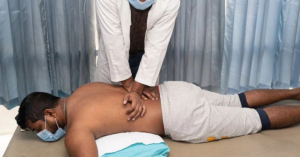
Hands-on treatment techniques that include:
- Soft tissue mobilization
- Joint mobilization
- Muscle release techniques
This helps reduce stiffness, improve flexibility, and relieve nerve pressure.
Strengthens the deep core muscles that support the spine.
Helps prevent:
- Recurrent back pain
- Disc re-herniation
- Postural imbalance
A controlled stretching method used to:
- Reduce pressure on spinal discs
- Improve nerve function
- Reduce radiating pain in the leg
Teaches proper posture during:
- Sitting
- Standing
- Walking
- Working
Good posture helps prevent further disc strain.
Customized exercise plans including:
- Stretching
- Strengthening
- Mobility exercises
Helps restore spine health and prevents future injury.
Used to manage acute inflammation and chronic muscle tightness.
- Heat: relaxes muscles
- Cold: reduces swelling and pain
Corrects daily habits such as:
- Chair height
- Table position
- Laptop/PC alignment
- Sleeping posture
Reduces pressure on the spine during everyday activities.
Helps patients avoid activities that increase disc pressure and adopt habits that protect spinal health.
These treatments are performed within minutes, require no open surgery, no long hospital stay, and have very fast recovery times. Very few centers in Bangladesh offer such advanced services with proper training and precision.
Leadership of Dr. Shahadat – A Pioneer in Pain Medicine
One of the biggest strengths of ASPC is its leading physician, Dr. Shahadat a highly skilled and widely respected Pain Medicine Specialist in Bangladesh. His expertise has helped countless patients avoid surgery and return to their daily lives with confidence.
Key qualities of Dr. Shahadat include:
• Deep understanding of spine related pain
• Expert in internationally practiced minimally invasive procedures
• Accurate assessment of the root cause of pain
• Personalized treatment plans for every patient
• Gentle, caring communication that builds patient confidence
Patients often mention that their pain reduces significantly within days of receiving treatment from Dr. Shahadat, and many who struggled for years finally find permanent relief.
Accurate Diagnostic System for PLID
Proper diagnosis is essential for successful treatment. ASPC uses modern diagnostic tools, including:
- MRI
- X-ray
- Nerve Conduction Study (NCS)
- Clinical neurological assessment
These advanced evaluations help identify exactly which nerve is compressed and what treatment will provide the best result. Without accurate diagnosis, treatment becomes guesswork something ASPC avoids completely.
Fast Recovery Without Surgery
The primary goal of ASPC is simple: Relieve PLID pain without surgery and restore normal life quickly.
Many patients come to ASPC after months or years of suffering. They have tried painkillers, physiotherapy, or multiple consultations but found little improvement. At ASPC, they receive targeted, image-guided non-surgical treatment that often provides relief within minutes.
Some patients can walk better immediately after the procedure. Most return to daily activities within a short time, avoiding the stress, risks, and cost of surgery.
International Standard Treatment Protocols
ASPC follows globally accepted guidelines for pain management. Each patient receives a customized plan that may include:
• Minimally invasive pain procedures
• Specific medications
• Physiotherapy guidance
• Lifestyle changes
• Ergonomic correction
• Follow-up evaluation
These systematic protocols ensure long-term improvement rather than temporary pain control.
How PLID Patients Improve at ASPC
The recovery process at ASPC is structured, safe, and scientifically proven. Here is how PLID patients typically get better:
Assessment and Diagnosis
Dr. Shahadat evaluates the patient’s pain history, walking pattern, posture, movement limitation, and nerve involvement. MRI or NCS reports help confirm the diagnosis accurately.
Minimally Invasive Treatment
Once the pain source is identified, the appropriate non-surgical procedure is selected.
Advanced Physiotherapy
McKenzie Therapy
Manual Therapy
Core Stabilization Training
Traction Therapy
Postural Correction
Exercise Therapy
Heat & Cold Therapy
Ergonomic Training
Lifestyle Modification
These procedures reduce pressure on the nerve, decrease inflammation, and restore function.
Pain Reduction and Functional Recovery
Most patients experience noticeable improvement within 24–72 hours after treatment.
Benefits include:
- Reduced pain
- Improved leg movement
- Better walking ability
- Less numbness
- Improved sleep
Rehabilitation and Strengthening
ASPC also provides guidance on exercises, stretching, posture correction, and lifestyle modifications to prevent recurrence. The goal is long-term healing, not only temporary relief.
Regular Follow-up
Patients undergo periodic follow-up to ensure the condition continues to improve. Many report that they can return to their regular work without relying on long-term medication or repeated therapy.
Success Stories & Patient Satisfaction
Thousands of PLID patients treated at ASPC share similar positive experiences:
• People who could not stand or walk due to leg pain were able to move freely again.
• Office workers struggling with prolonged sitting returned to work comfortably.
• Elderly patients who feared surgery found safe, non-surgical relief.
• Young adults suffering from disc herniation regained normal mobility.
These real- life improvements have helped ASPC build a reputation of trust and excellence all over Dhaka.
Conclusion
PLID is a challenging and often life-disrupting condition, but with the right treatment approach, patients can recover fully without the need for surgery. ASPC Manipulation Therapy Centre has proven itself to be the leading destination in Dhaka for advanced, non-surgical PLID treatment. Through a combination of modern therapy techniques, accurate diagnosis, and personalized care, ASPC offers patients a safe and effective path to pain-free living.
Under the expert leadership of Dr. Mohammad Shahadat Hossain, ASPC continues to deliver exceptional results for thousands of patients many of whom had previously lost hope or were advised to undergo surgery. The center’s commitment to international standards, patient-centered care, and long-term recovery sets it apart as a truly outstanding institution.
For anyone struggling with lower back pain, leg pain, sciatica, or PLID related symptoms, ASPC provides not just treatment, but a renewed chance at a healthier, more active life. With its advanced non-surgical methods and proven success rate, ASPC rightfully stands as the Best PLID Treatment Center in Dhaka.