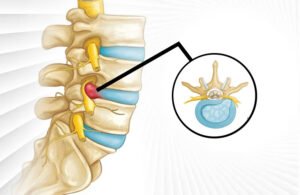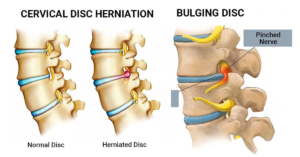
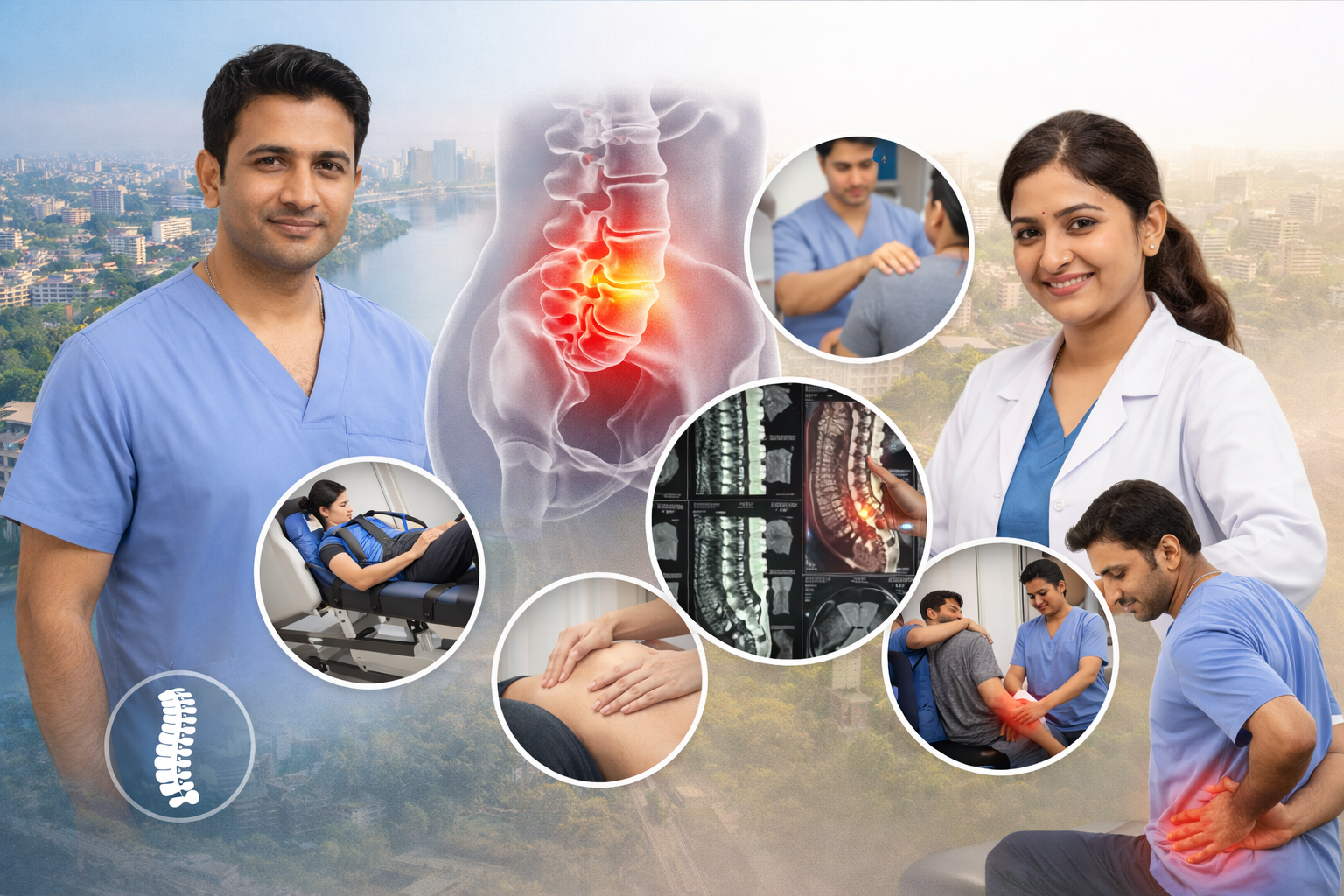
Among all the spine specialists and physiotherapy experts in Dhaka city, Dr. Mohammad Shahadat Hossain, PT and Dr. Sapia Akter, PT consistently stand out for their expertise, high success rate, and patient-focused approach in PLID (Prolapsed Lumbar Intervertebral Disc) treatments. While many patients fear that surgery is the only solution, modern spine science has proven that over 90% of PLID cases can be treated successfully without surgery when proper non-surgical techniques are applied.
Meet Dhaka’s Leading PLID Specialists
Dr. Mohammad Shahadat Hossain, PT
Founder and lead therapist at ASPC Manipulation Therapy Centre. He is a highly respected specialist in non-surgical management of disc herniation, sciatica, and chronic back pain. His training in the McKenzie Method (MDT) and advanced spinal manipulation makes him one of the rare professionals in Dhaka capable of effectively treating complex PLID cases without invasive procedures.
Dr. Sapia Akter, PT
A dedicated physiotherapist specializing in safe, structured non-surgical care, particularly for women suffering from spine-related conditions. Known for her patient-friendly approach, she guides patients through customized rehabilitation programs tailored to daily lifestyle needs, focusing on long-term protection and core stabilization.
Why Choose Non-Surgical Treatment?
PLID has become a common spinal disorder in Dhaka due to long sitting hours, heavy workloads, and poor posture. Dr. Shahadat and Dr. Sapia have helped thousands of patients avoid surgery through evidence-based, non-invasive methods. Their approach combines deep clinical knowledge with advanced manual therapy skills.
8 Reasons Why They Are Considered the Best in Dhaka
Dedicated to helping patients recover without surgery using internationally recognized techniques that reduce disc pressure and relieve inflammation.
Strictly following globally accepted protocols, including SDM, the McKenzie Method (MDT), and core stabilization science.
Evaluating MRI/X-ray findings alongside posture, gait, and mechanical pain behavior to identify the exact source of nerve compression.
Individualized plans designed based on pain intensity, activity level, muscle strength, and specific MRI findings.
Mastery of precision techniques like spinal mobilization, soft tissue release, and nerve gliding for rapid relief.
Using globally recognized MDT to centralize radiating leg pain and restore spinal mechanics often within just a few sessions.
Ensuring long-term recovery by protecting the spine through targeted strengthening of the supporting deep muscles.
Empowering patients with knowledge of their condition, postural maintenance, and recurrence prevention strategies.
Safe & Structured Care for Female Patients
Dr. Sapia Akter focuses on gentle, clinically proven methods suited for women. Her approach considers daily household and office activities, ensuring that treatment is practical and effective. Her thorough assessment includes neurological checks for numbness or weakness, ensuring the safest possible recovery path.
How ASPC Differs from Other Centers
In Dhaka, many institutions (such as CRP, NITOR, and Popular Diagnostic Centre) offer traction, TENS, or general exercises. While these offer relief, the approach taken by Dr. Shahadat and Dr. Sapia focuses on:
- Root-Cause Correction: Moving beyond machine-based therapy to hands-on biomechanical correction.
- Individualized Attention: Avoiding “standard protocols” to ensure every patient gets the specific movement therapy they need.
- Close Monitoring: Adjusting plans dynamically based on patient response rather than a fixed number of sessions.
Step-by-Step PLID Recovery Process
Thousands of Successful Recoveries
Conclusion: Your Path to a Pain-Free Life
PLID does not have to mean a lifetime of pain or risky surgery. Under the expert leadership of Dr. Mohammad Shahadat Hossain and Dr. Sapia Akter at ASPC Manipulation Therapy Centre, you can experience a safe, research-supported path to recovery. Their commitment to evidence-based practice and individualized care makes them the most trusted choice for PLID treatment in Dhaka.
Scientific Healing • Ethical Care • No Surgery Required