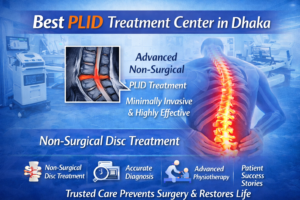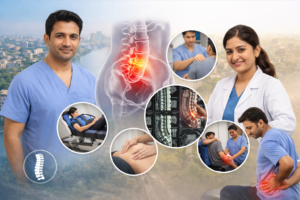
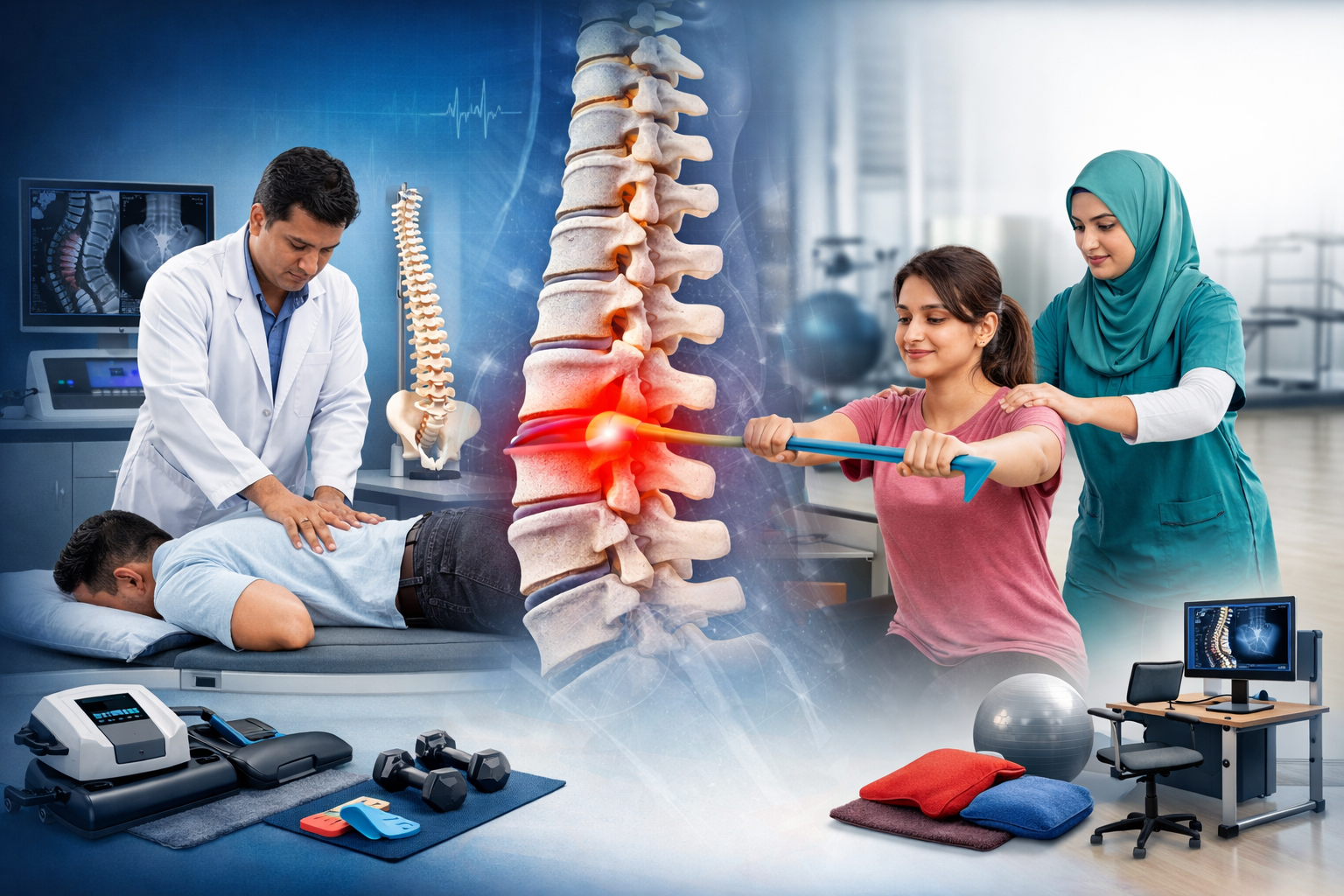
Under the supervision of Dr. Mohammad Shahadat Hossain, PT, and Dr. Sapia Akter, PT, ASPC Manipulation Therapy Centre has become the most trusted and effective PLID treatment center in Bangladesh. Thousands of patients who were previously advised to undergo surgery have recovered successfully and returned to a pain-free life through the advanced non-surgical procedures practiced at ASPC.
PLID (Prolapsed Lumbar Intervertebral Disc) has become one of the most common and painful spinal conditions in Bangladesh. Every year, thousands of people experience severe lower back pain, leg pain, numbness, and difficulty performing daily activities due to disc herniation. With long working hours, sedentary lifestyles, poor posture, heavy lifting, and increasing stress, the number of PLID patients in Bangladesh continues to rise rapidly.
While many hospitals and physiotherapy centers claim to treat PLID, only a few offer advanced, scientifically proven, and globally recognized non-surgical treatment methods. Among these, the center that consistently stands out in terms of patient success rate, modern technology, expert leadership, and international treatment standards is ASPC Manipulation Therapy Centre.
ASPC is a specialized, state-of-the-art healthcare facility that focuses exclusively on spine-related pain and disorders—especially PLID, sciatica, spondylosis, and nerve compression issues. Over the years, ASPC has gained nationwide recognition for its non-surgical, evidence-based approach to treating PLID.
Why ASPC is the Best PLID Treatment Center in Bangladesh
1. Advanced Non-Surgical Treatment Techniques
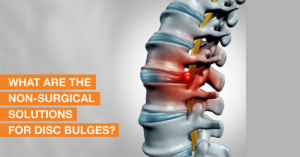
Most PLID patients become frightened when they hear the word “surgery.” However, advances in modern pain science show that over 90% of PLID cases can be treated without surgery when the correct method is applied (AANS). ASPC specializes in a wide range of globally recognized procedures:
A combination of targeted exercises, mobility training, and hands-on techniques that reduce pain, improve posture, and support spinal healing.
A comprehensive system including Acute Phase Management, Postural Correction, Manual Therapy, and Functional Rehabilitation to relieve stiffness and nerve pressure.
Strengthens deep abdominal and back muscles to prevent recurrent disc injuries, postural imbalance, and chronic back pain.
A scientifically proven method that gently stretches the spine to reduce disc pressure, improve nerve function, and decrease radiating leg pain.
Training for proper alignment during sitting, standing, walking, and working to prevent further stress on spinal discs.
Custom guidance on chair height, desk setup, sleeping positions, and safe lifting techniques to ensure long-lasting recovery.
2. Clinical Leadership & Expertise
Dr. Mohammad Shahadat Hossain, PT
A pioneer in spine care with a deep understanding of spinal biomechanics. His expertise in advanced manipulation therapy and international pain management allows for accurate root-cause diagnosis and patient-centered recovery plans.
Dr. Sapia Akter, PT
Specializes in McKenzie assessment and personalized rehabilitation. Her compassionate care and technical skill in manual therapy and core strengthening make her a trusted therapist for PLID patients.
4. Accurate Diagnosis for Effective Treatment
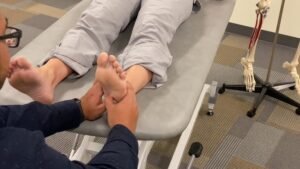
Proper diagnosis is the foundation of successful recovery. ASPC uses a comprehensive assessment system:
- ✓ MRI Interpretation
- ✓ X-ray Analysis
- ✓ Nerve Conduction Study (NCS)
- ✓ Neurological Assessment
The Roadmap to Recovery
Patient Satisfaction & Success Stories
Common patient feedback includes rapid relief from chronic pain and a renewed sense of confidence. Our testimonials highlight:
Comparison with Other Therapy Centers
While institutions like CRP, NITOR, and Popular Diagnostic provide valuable healthcare services, their approaches often differ from ASPC’s specialized model:
- CRP: Highly systematic but high patient volumes can limit individualized attention. Sessions are often group-based.
- NITOR: Primarily government-based orthopedic care where surgical consultation is frequently a priority for severe cases.
- General Centers: Often focus on “machine-based” modalities (ultrasound, TENS) for temporary symptom relief rather than structural correction.
The ASPC Difference: We focus exclusively on spine and disc-related disorders. Our Structural Diagnosis and Management (SDM) system ensures we treat the root cause—not just the symptoms—through manual therapy and clinical reasoning.
Regain Your Mobility Today
ASPC Manipulation Therapy Centre stands apart as the premier choice for PLID treatment in Bangladesh. Under the expert leadership of Dr. Mohammad Shahadat Hossain, PT and Dr. Sapia Akter, PT, we offer a scientific, ethical, and non-surgical pathway to recovery. If you seek a long-lasting solution without the risks of surgery, ASPC is your most trusted choice.
Scientific Healing. Proven Results. No Surgery.