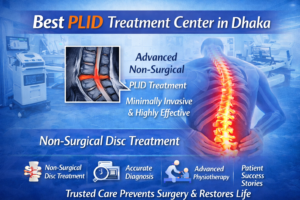
Slip disc, medically known as Prolapsed Lumbar Intervertebral Disc (PLID), is one of the leading causes of chronic lower back pain and sciatica among people in Dhaka. Due to long office hours, prolonged sitting, poor posture, traffic-related stress, and lack of regular exercise, the number of spinal problems is increasing rapidly. Although surgery is often feared or suggested, modern medical evidence confirms that over 90% of slip disc cases can be effectively treated through structured physiotherapy and non-surgical management.
ASPC Manipulation Therapy Centre has earned a strong reputation as one of the best specialized centers for slip disc physiotherapy treatment in Dhaka. The center focuses entirely on evidence-based, conservative spinal rehabilitation. Under the expert leadership of Dr. Mohammad Shahadat Hossain, PT and Dr. Sapia Akter, PT, ASPC maintains high professional standards and a patient-centered care philosophy.
Understanding Slip Disc (PLID)
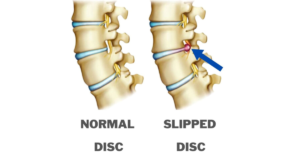
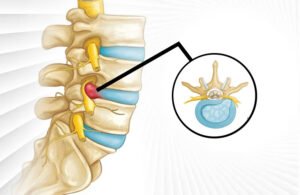
A slip disc occurs when one of the discs between the spinal vertebrae moves out of its normal position. These discs act as cushions and shock absorbers for the spine. When a disc bulges or herniates, it can press on nearby nerve roots, causing pain and neurological symptoms such as sciatica pain that radiates from the lower back to the legs.
Why Slip Disc Is Increasing in Dhaka
Common Symptoms to Watch For
ASPC Manipulation Therapy Centre: Expert Leadership
ASPC operates under the specialized guidance of two of Dhaka’s most trusted spine professionals:
Dr. Mohammad Shahadat Hossain, PT
Renowned Pain Management Specialist. He focuses on clinical biomechanics and advanced manual therapy to help patients avoid surgery through precise structural diagnosis.
Dr. Sapia Akter, PT
Experienced Physiotherapy Specialist. She specializes in functional rehabilitation, core stabilization, and personalized exercise programs for long-term spine health.
Advanced Physiotherapy Treatments at ASPC
Rather than applying generic exercises, ASPC designs customized treatment plans using these 10 core evidence-based pillars:
A framework used to treat slip disc at its root by analyzing disc loading patterns and segmental instability.
Hands-on treatments including soft tissue and joint mobilization to reduce stiffness and relieve nerve irritation.
Globally recognized method for centralization of radiating leg pain and promoting natural disc healing.
Strengthening deep stabilizing muscles like the Transversus Abdominis to protect the spine from re-herniation.
Controlled decompression to reduce disc pressure and improve hydration, vital for sciatica relief.
Training patients to maintain spinal alignment during sitting, standing, and working to reduce continuous stress.
Customized stretching and strengthening routines designed to restore functional movement and muscle balance.
Regular monitoring of nerve conduction and muscle strength to ensure the safety and progress of the treatment.
Used strategically to relax tight muscles and reduce acute inflammation in the early stages of recovery.
Education on safe lifting techniques and ergonomic adjustments to ensure the patient stays pain-free for life.
Comparison: ASPC vs. General Hospital Care
In Dhaka, several reputable hospitals provide physiotherapy, including CRP, NITOR, Square, Labaid, Ibn Sina, and Popular Diagnostic Centre. While these institutions are vital for healthcare, ASPC differentiates itself in the following ways:
- Specialization: While large hospitals manage broad medical/surgical cases, ASPC is dedicated exclusively to non-surgical spinal rehabilitation.
- Assessment Depth: In high-flow hospitals, therapy may follow standard machine-based protocols. ASPC prioritizes a detailed clinical evaluation of biomechanics before any therapy begins.
- Methodology: Instead of relying primarily on TENS or ultrasound (passive modalities), ASPC emphasizes active manual therapy and McKenzie-based mechanical exercises.
- Clinical Supervision: Patients at ASPC receive consistent guidance from Dr. Shahadat and Dr. Sapia, ensuring the treatment plan is adjusted dynamically based on daily response.
- Non-Surgical Focus: While surgical hospitals prioritize operative intervention for severe PLID, ASPC specializes in conservative management, helping thousands avoid surgery.
The Recovery Experience
Most patients treated at ASPC notice improvement within 24–72 hours. The focus is on reducing reliance on pain medication and improving quality of life. Many patients who were once advised to undergo surgery are able to return to normal daily life, walking and working without pain.
Your Path to a Surgery-Free Recovery
Slip disc (PLID) does not have to be a permanent disability. Under the clinical leadership of Dr. Mohammad Shahadat Hossain and Dr. Sapia Akter, you can access the most advanced non-surgical spinal care in Dhaka. Restore your mobility, protect your spine, and return confidently to your daily life.
Scientific Diagnosis • Manual Excellence • Long-Term Prevention