
Understanding physiotherapy course fees in Bangladesh is an essential step for students and guardians planning for higher education in healthcare. Physiotherapy is a professional, skill-based discipline that requires extensive academic instruction, laboratory practice, and clinical training. These components influence the overall cost of education. As demand for physiotherapy education increases, students often face confusion about fee structures, value, and affordability across institutions.
This section provides a comprehensive overview of physiotherapy course fees in Bangladesh, factors that influence costs, differences between government and private institutions, and how students can assess educational value rather than focusing on cost alone.
Why Physiotherapy Education Involves Significant Cost
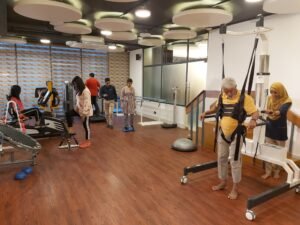
Physiotherapy education is resource-intensive. Unlike general academic programs, it requires significant investment in infrastructure to ensure professional competency. Understanding these components helps students appreciate why fees vary among institutions:
- Specialized laboratories
- Clinical training facilities
- Qualified faculty
- Medical equipment
- Hospital partnerships
These elements contribute to the overall cost of physiotherapy programs. When institutions invest in high-quality equipment and partnerships, it directly impacts the tuition but also significantly improves the quality of education.
Comparing Government vs. Private Institutions
Government Institutions
Government physiotherapy colleges in Bangladesh offer the most affordable education options. Tuition fees are subsidized by the government, making them accessible to a limited number of students.
- Very low tuition fees
- Limited number of seats
- Highly competitive admission process
- Large class sizes
While financially accessible, their limited capacity means most students must consider private options.
Private Institutions
Private physiotherapy colleges offer more seats and greater flexibility in admission. However, tuition fees are higher due to the absence of government subsidies.
- Fees vary depending on institution quality
- Infrastructure and clinical exposure influence cost
- Flexible installment options often available
- Personalized academic support
Factors That Influence Physiotherapy Course Fees
Infrastructure & Labs
Colleges with modern labs and robotic or advanced equipment require higher investment, which is reflected in the tuition structure.
Faculty Quality
Institutions employing full-time, experienced, and highly qualified faculty incur higher operational costs to maintain standards.
Clinical Training
Colleges that provide structured and supervised clinical exposure invest significantly in hospital partnerships and clinical supervisors.
Student Services
Career guidance, counseling, and academic monitoring add significant value to the education experience.
Hidden Costs Students Should Consider
Beyond tuition fees, students and guardians should budget for these essential components to avoid financial surprises:
- Learning materials, specialized medical books, and equipment.
- Transportation costs for traveling to various clinical placements.
- University examination fees and professional registration costs.
- Living expenses, accommodation, and food.
Transparent institutions clearly communicate these aspects during initial admission counseling.
Role of Scholarships and Financial Support
Many private institutions offer scholarships to reduce the financial burden. Merit-based and need-based scholarships help students manage costs while maintaining academic standards. Students should actively inquire about:
- Scholarship availability and eligibility criteria.
- Renewal conditions based on academic performance.
- Application procedures and deadlines.
How ACPHS Approaches Physiotherapy Course Fees
Agrani College of Physiotherapy and Health Science (ACPHS) maintains a balanced approach to fees by focusing on affordability and high educational value.
- Fee Transparency: Clear fee communication with no hidden charges added later.
- Value-Based Pricing: Fees reflect the quality of facilities and clinical training provided.
- Support Services: Robust academic and clinical support included in the structure.
- Ethical Practices: Written documentation of all financial commitments.
Long-Term Return on Educational Investment
Physiotherapy education is an investment in a professional career. Graduates with strong training often find rewarding opportunities in:
- Hospitals and Clinics
- Rehabilitation Centers
- Sports Organizations
- Private Practice
Quality education increases employability and career satisfaction. Graduates from high-value institutions like ACPHS typically find faster placement and higher trust from patients.
Common Misconceptions About Fees
Students should evaluate institutions holistically rather than relying on assumptions:
- Higher fees always mean better education: Not necessarily; look for clinical exposure quality.
- Lower fees always mean poor quality: Some institutions may have different funding models.
Conclusion: Making Informed Financial Decisions
Understanding physiotherapy course fees in Bangladesh helps students make informed educational choices. While cost is an important factor, it should be balanced with educational quality, clinical exposure, and long-term career outcomes.
Institutions like ACPHS demonstrate that transparent, value-driven fee structures provide a path to pursuing physiotherapy education with confidence and financial clarity.