Disc herniation is one of the most common and disabling spinal conditions affecting people across Bangladesh. With rapid urban growth, increased desk-based work, long working hours, poor posture, and reduced physical activity, spinal disorders are rising at an alarming rate. Disc herniation often leads to chronic back pain, radiating leg or arm pain, numbness, weakness, and significant limitations in daily life.
For many years, surgery was considered the primary solution for disc herniation. However, advances in modern physiotherapy and pain management have proven that most disc herniation cases can be treated successfully without surgery. In Bangladesh, ASPC Manipulation Therapy Centre has become a leading destination for advanced, non-surgical disc herniation treatment, helping thousands of patients regain a pain-free and functional life.
What Is Disc Herniation?
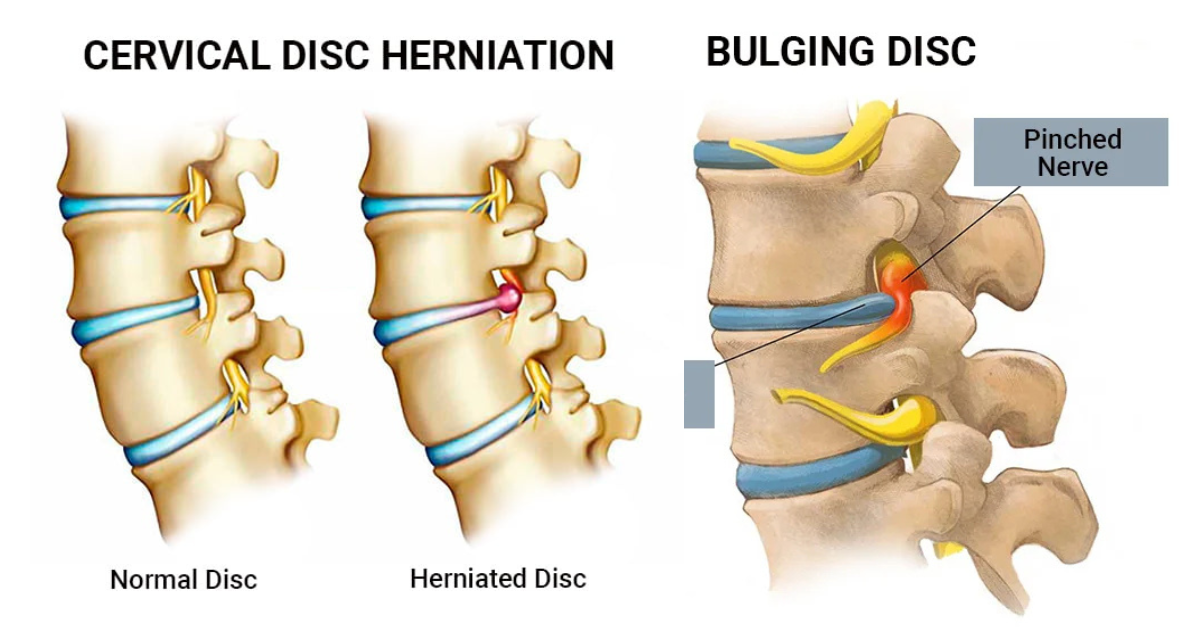
Disc herniation occurs when the soft inner material of an intervertebral disc protrudes or leaks through the outer layer. Intervertebral discs act as shock absorbers between the vertebrae of the spine, allowing flexibility and smooth movement. When a disc herniates, it can compress nearby nerve roots or the spinal cord, causing pain and neurological symptoms.
Affects the lower back, often causing intense leg pain or sciatica as nerves traveling to the lower extremities are compressed.
Affects the neck, leading to radiating arm pain, numbness, and potential weakness in the hands and fingers.
Why Disc Herniation Is Increasing in Bangladesh
- Prolonged sitting with poor posture
- Office work without ergonomic seating
- Manual labor and heavy lifting
- Weak core and back muscles
- Obesity and sedentary lifestyle
- Sudden bending or twisting injuries
- Long commuting hours in Dhaka
- Road traffic accidents and falls
- Age-related disc degeneration
Common Symptoms of Disc Herniation
- Persistent lower back or neck pain
- Radiating pain to legs (sciatica) or arms
- Tingling, numbness, or burning sensation
- Muscle weakness
- Difficulty standing or walking
- Increased pain during coughing or sneezing
Why Non-Surgical Treatment Is the Preferred Approach
International clinical guidelines recommend non-surgical treatment as the first-line management. Research shows that over 85–90% of patients improve without surgery when treated appropriately.
Limitations of Surgery
- Surgical risks and potential complications
- Long recovery and rehabilitation periods
- High financial cost
- Risk of recurrence or failed back surgery syndrome
Disc Herniation Treatment at ASPC Manipulation Therapy Centre
ASPC Manipulation Therapy Centre is one of the most trusted names in Bangladesh. The center is known for its evidence-based approach and high success rate under the expert leadership of:
Renowned Pain Management Specialist
Experienced Physiotherapy Specialist
Advanced Non-Surgical Treatment Protocols
1. Advanced Physiotherapy
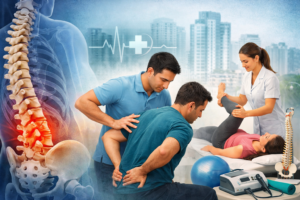
Targeted protocols for reducing inflammation, improving spinal mobility, and restoring normal movement patterns.
2. Structural Diagnosis and Management (SDM)
A modern framework used at ASPC to address the root structural issues, including disc loading patterns and segmental instability.
3. McKenzie Therapy (MDT)
Globally recognized for centralizing radiating pain and promoting natural disc healing through mechanical diagnosis.
4. Manual Therapy
Hands-on techniques including soft tissue and joint mobilization to reduce stiffness and nerve irritation.
5. Core Stabilization & Traction
Strengthening deep stabilizing muscles and using controlled spinal decompression to reduce disc pressure and improve hydration.
“Most patients notice improvement within 24–72 hours. Many who were previously advised surgery successfully return to normal life without any operation.”
Who Can Benefit?
- Mild to moderate disc herniation and sciatica sufferers.
- Patients seeking a safe alternative to spinal surgery.
- Elderly patients who may be medically unfit for surgery.
- Post-surgical patients dealing with persistent pain.
Regain Your Life Without Surgery
Disc herniation is a serious condition, but it is highly treatable. Under the expert guidance of Dr. Mohammad Shahadat Hossain and his team, ASPC offers a reliable, scientific pathway to long-term healing.
Consult the leading non-surgical specialists in Bangladesh today.