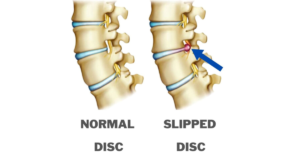
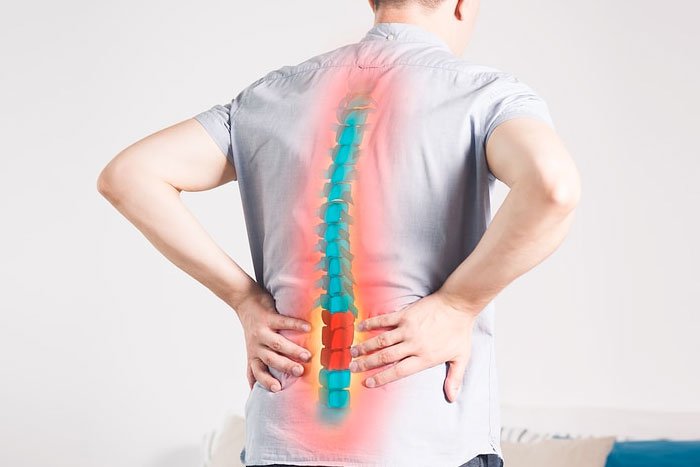
Among the many spine specialists and physiotherapy experts in Bangladesh, Dr. Mohammad Shahadat Hossain, PT, and Dr. Sapia Akter, PT, are widely recognized for delivering outstanding non-surgical PLID (Prolapsed Lumbar Intervertebral Disc) treatment. Their advanced expertise, strong clinical outcomes, and patient-focused approach have earned them a reputation as two of the best PLID doctors in Bangladesh.
PLID has become increasingly common in Bangladesh due to long sitting hours, heavy workloads, improper posture, and reduced physical activity. Many patients experience chronic back pain, sciatica, and nerve compression and often fear surgery. However, modern spine care shows that over 90% of PLID cases can be treated without surgery when proper non-invasive techniques are used.
For years, Dr. Shahadat and Dr. Sapia have helped thousands of patients recover and avoid unnecessary operations through evidence-based physiotherapy and advanced manual therapy techniques. Their success rate and dedication have positioned them among the most trusted PLID specialists in the country. Other experienced clinicians such as Dr. Imam Hossain and Dr. Saifur Rahman also provide non-surgical, research-backed spine care in Bangladesh, treating disc problems with modern, minimally invasive strategies.
Who Is Dr. Mohammad Shahadat Hossain, PT?
Dr. Shahadat is a leading physiotherapist and spine specialist known for his expertise in treating complex spinal conditions. He is the founder and chief therapist at ASPC Manipulation Therapy Centre, one of Bangladesh’s top facilities for non-surgical spine treatment. His clinical focus includes:
- PLID / Disc Herniation
- Sciatica
- Lumbar Spondylosis
- Nerve Compression
- Chronic Back Pain
- Cervical Disc Disorders
- Postural Deformities
His training spans advanced manual therapy, spinal manipulation, the McKenzie Method (MDT), ergonomic rehabilitation, and functional recovery making him one of the few clinicians in the country capable of handling complex PLID cases without surgery.
Why Dr. Shahadat Is Considered One of the Best
Specializes in disc treatment using globally recognized techniques that:
- Reduce disc pressure
- Improve nerve mobility
- Minimize inflammation
- Restore natural spinal function
Treatment protocols align with world-class standards from:
- APTA (American Physical Therapy Association)
- AANS (American Association of Neurological Surgeons)
- NASS (North American Spine Society)
- NICE (UK National Institute for Health and Care Excellence)
High success rates stem from a thorough diagnostic process:
- MRI and X-ray review
- NCS interpretation
- Posture and gait study
- Pain mechanics evaluation
- Neurological assessment
No two PLID patients receive the same therapy. Each plan is customized based on individual lifestyle, MRI findings, pain patterns, movement capacity, and muscle condition.
Hands-on techniques including spinal mobilization, soft tissue manipulation, myofascial release, nerve gliding, and joint mobilization for fast relief.
Certified expertise in MDT, where patients often experience significant relief after their first properly applied session.
By strengthening stabilizing muscles and emphasizing patient education, Dr. Shahadat ensures patients remain pain-free after treatment and teaches ergonomic corrections to maintain long-term spinal health.
Who Is Dr. Sapia Akter, PT?
Dr. Sapia Akter specializes in women-centered spine care. She is known for her gentle, detailed, and effective non-surgical approach, particularly for female patients dealing with PLID, sciatica, chronic low back pain, and postural imbalances.
How Dr. Sapia Treats PLID in Women
A supportive therapeutic environment aimed at relieving nerve compression, correcting alignment, and restoring comfortable movement.
- McKenzie exercises
- Manual therapy
- Soft tissue mobilization
- Core strengthening
- Posture and ergonomic correction
Plans are shaped around a woman’s daily activities, muscle condition, and postural habits for optimal recovery and long-term spine protection.
Success Stories & Patient Satisfaction
“Many patients previously advised to undergo surgery or unable to walk due to severe sciatica regained mobility and avoided operations through our clinical approach. Patients regularly praise the fast pain reduction, accurate diagnosis, and personalized therapy provided at ASPC.”
ASPC Manipulation Therapy Centre – A Leader in Spine Care
Under the leadership of Dr. Shahadat and Dr. Sapia, ASPC consistently delivers patient-focused rehabilitation services, establishing itself as one of Bangladesh’s most reliable facilities for non-surgical spine treatment.
ASPC follows globally accepted clinical guidelines and evidence-based methods aligned with international best practices.
Equipped with advanced therapeutic devices that support manual therapy, safe traction methods, and structured rehabilitation.
The team is composed of professionals trained in biomechanical correction and the McKenzie Method for superior patient outcomes.
Prioritizes a healing atmosphere with one-on-one guidance and clear communication throughout the recovery process.
Conclusion: Achieve a Pain-Free Life
PLID may cause severe discomfort, but with the right clinical approach, it is highly treatable without surgery. Dr. Mohammad Shahadat Hossain, PT, and Dr. Sapia Akter, PT, have earned national recognition for their exceptional skill in managing spine-related disorders.
Their approach focuses on addressing the root cause of pain, ensuring faster reduction in symptoms and a stable, long-term recovery. Achieve a healthier, pain-free life with trust and confidence.