Slip disc, medically known as Prolapsed Lumbar Intervertebral Disc (PLID), is one of the most common causes of chronic lower back pain and sciatica among people in Dhaka. With increasing urbanization, sedentary office work, long hours of sitting, poor posture, and lack of physical activity, spinal problems have become a major health concern in Bangladesh. Every year, thousands of people experience severe back pain, leg pain, numbness, and difficulty in movement due to slip disc.
Although many patients believe that surgery is the only solution, modern medical science has clearly shown that most slip disc cases can be treated successfully with physiotherapy and non-surgical care. In Dhaka, ASPC Manipulation Therapy Centre has established itself as a leading center for advanced slip disc physiotherapy, helping patients recover safely, effectively, and without surgery.
Understanding Slip Disc
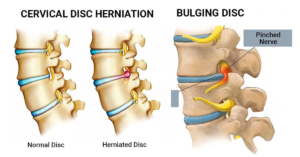
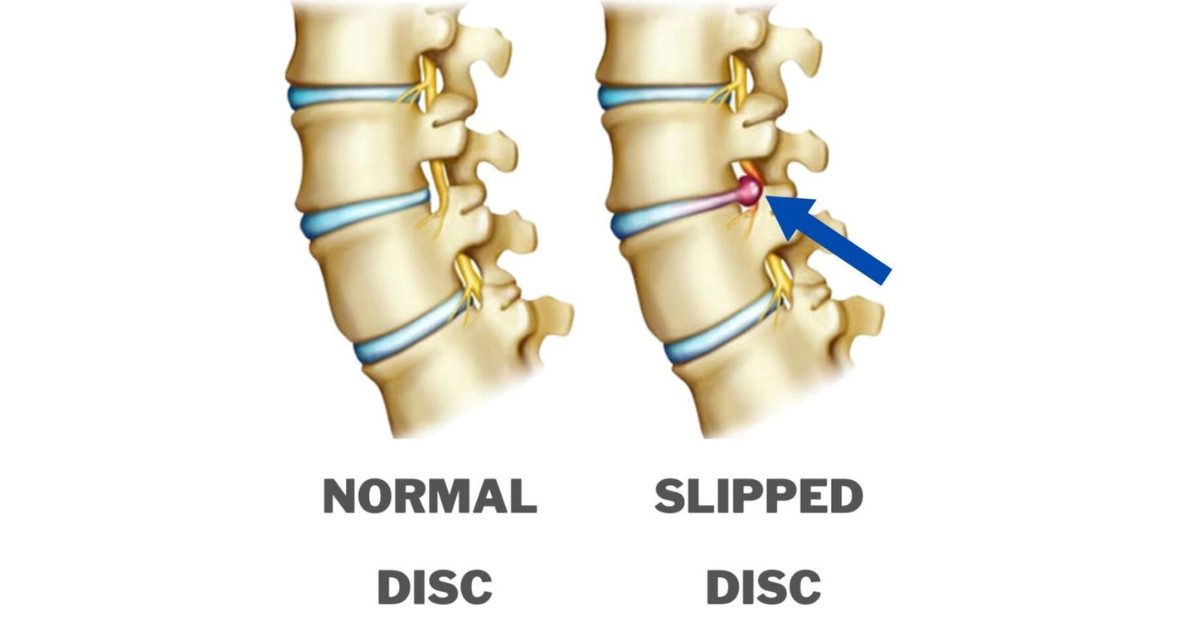
A slip disc occurs when one of the discs between the spinal vertebrae moves out of its normal position. These discs act as cushions and shock absorbers for the spine. When a disc bulges or herniates, it can press on nearby nerve roots, causing pain and neurological symptoms.
The lumbar spine (lower back) is most commonly affected, leading to symptoms such as sciatica pain that radiates from the lower back to the legs. If not treated properly, slip disc can significantly reduce a person’s quality of life.
Why Slip Disc Is Increasing in Dhaka
Several lifestyle and occupational factors contribute to the rising number of slip disc patients in Dhaka:
- Prolonged sitting with poor posture
- Desk-based office work without ergonomic support
- Heavy lifting and manual labor
- Sudden bending or twisting movements
- Weak core muscles
- Lack of regular exercise
- Obesity
- Road traffic accidents and falls
These factors place continuous stress on the spinal discs, eventually leading to disc prolapse.
Common Symptoms of Slip Disc
Patients suffering from slip disc may experience:
- Persistent lower back pain
- Pain radiating to one or both legs
- Tingling or numbness in the legs or feet
- Muscle weakness
- Difficulty standing, walking, or sitting for long periods
- Increased pain during bending, coughing, or sneezing
- Disturbed sleep due to pain
Early physiotherapy intervention can prevent the condition from becoming chronic or worsening.
Role of Physiotherapy in Slip Disc Treatment
Physiotherapy is the cornerstone of non-surgical slip disc treatment. Unlike painkillers that provide only temporary relief, physiotherapy addresses the root cause of the problem by improving spinal mechanics, reducing nerve compression, strengthening muscles, and restoring normal movement.
International clinical guidelines recommend physiotherapy as the first-line treatment for most slip disc cases. Surgery is only required in a small percentage of patients with severe neurological complications.
ASPC Manipulation Therapy Centre – A Trusted Name in Dhaka
When it comes to slip disc physiotherapy in Dhaka, ASPC Manipulation Therapy Centre stands out for its advanced treatment approach, experienced clinicians, and high success rate.
ASPC operates under the expert leadership of:
- Dr. Mohammad Shahadat Hossain, PT – Renowned Pain Management Specialist
- Dr. Sapia Akter, PT – Experienced Physiotherapy Specialist
Together, they have helped thousands of patients many of whom were advised surgery—recover through non-surgical, physiotherapy-based treatment.
ASPC Treatment Philosophy
ASPC follows a patient-centered and evidence-based approach that focuses on:
- Accurate diagnosis
- Structural and functional assessment
- Individualized physiotherapy programs
- Long-term recovery and prevention
Rather than applying the same exercises to every patient, ASPC designs customized treatment plans based on each patient’s condition, lifestyle, and functional needs.
Accurate Diagnosis at ASPC
Successful slip disc treatment starts with correct diagnosis. At ASPC, diagnosis goes beyond MRI reports.
Diagnostic Assessment Includes:
- Detailed pain history
- Postural and movement analysis
- Neurological examination
- Review of MRI and X-ray findings
- Functional testing
This thorough evaluation helps identify the exact pain-generating structure, ensuring targeted and effective physiotherapy.
Advanced Physiotherapy Treatments for Slip Disc at ASPC
1. Advanced Physiotherapy
ASPC provides specialized physiotherapy to:
- Reduce pain and inflammation
- Improve spinal mobility
- Restore functional movement
- Enhance muscle strength
Treatment intensity and techniques are adjusted according to the patient’s stage of recovery.
2. Structural Diagnosis and Management (SDM)
SDM is a modern physiotherapy framework used at ASPC to treat slip disc at its root.
SDM focuses on:
- Disc loading patterns
- Postural faults
- Segmental instability
- Movement dysfunction
By correcting these structural problems, SDM ensures long-term recovery and reduces recurrence.
3. McKenzie Therapy (MDT)
McKenzie Therapy, also known as Mechanical Diagnosis and Therapy, is widely used at ASPC for disc-related problems.
Benefits include:
- Centralization of radiating leg pain
- Reduction of nerve compression
- Promotion of disc healing
- Patient self-management education
Many patients experience rapid improvement through MDT-based exercises.
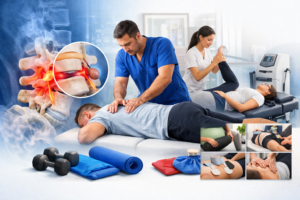
4. Manual Therapy
Manual therapy plays a vital role in slip disc physiotherapy at ASPC.
Techniques include:
- Soft tissue mobilization
- Joint mobilization
- Muscle release techniques
- Neural mobilization
These hands-on treatments reduce stiffness, improve flexibility, and relieve nerve irritation.
5. Core Stabilization Training
Weak core muscles increase stress on spinal discs. ASPC emphasizes strengthening deep stabilizing muscles such as:
- Transversus abdominis
- Multifidus
- Pelvic floor muscles
A strong core improves spinal stability and prevents disc re-herniation.
6. Traction Therapy (Spinal Decompression)
Controlled spinal traction is used at ASPC to:
- Reduce disc pressure
- Improve disc hydration
- Relieve nerve compression
This therapy is especially beneficial for patients with sciatica and leg numbness.
7. Postural Correction Therapy
Poor posture is a major cause of recurring slip disc pain. ASPC trains patients to maintain proper posture during:
- Sitting
- Standing
- Walking
- Working
- Sleeping
Correct posture significantly reduces stress on the spine.
8. Exercise Therapy
Customized exercise programs include:
- Stretching exercises
- Strengthening exercises
- Mobility and control exercises
These exercises restore spinal health and improve overall function.
9. Heat and Cold Therapy
- Heat therapy relaxes tight muscles
- Cold therapy reduces inflammation and acute pain
These modalities support faster recovery when combined with physiotherapy.
10. Lifestyle Modification and Patient Education
ASPC educates patients on:
- Safe lifting techniques
- Activity modification
- Weight management
- Healthy daily movement habits
Patient education plays a key role in preventing recurrence.
Recovery Experience at ASPC
Most patients treated at ASPC notice improvement within 24–72 hours, depending on the severity of their condition.
Patients commonly report:
- Reduced back and leg pain
- Improved walking and sitting tolerance
- Better sleep quality
- Reduced reliance on pain medication
Many patients who were advised surgery are able to return to normal life without any operation.
Who Can Benefit from ASPC Slip Disc Physiotherapy?
ASPC physiotherapy is ideal for:
- Mild to moderate slip disc
- PLID with sciatica
- Recurrent lower back pain
- Patients advised surgery but seeking alternatives
- Elderly patients unfit for surgery
- Post-surgical patients with persistent pain
Conclusion
Slip disc is a painful and life-limiting condition, but surgery is not the only solution. With modern physiotherapy and evidence-based pain management, most patients can recover safely and effectively without surgical intervention.
For those seeking slip disc physiotherapy in Dhaka, ASPC Manipulation Therapy Centre offers advanced, non-surgical treatment under the expert care of Dr. Mohammad Shahadat Hossain, PT, and Dr. Sapia Akter, PT. Through accurate diagnosis, personalized physiotherapy programs, and long-term preventive care, ASPC has helped thousands of patients regain a pain-free, active, and confident life.