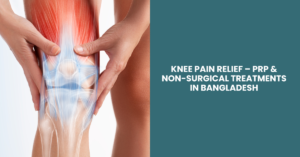

Knee pain is one of the most common musculoskeletal problems affecting people of all ages in Dhaka. From young athletes and office workers to elderly individuals, knee pain can significantly limit mobility, independence, and quality of life. With increasing urbanization, sedentary lifestyles, obesity, joint degeneration, and poor movement habits, knee-related problems are rising rapidly across Bangladesh.
While many people rely on painkillers or consider surgery as the only option, modern medical science has proven that most knee pain conditions can be treated successfully with advanced physiotherapy and non-surgical care. In Dhaka, ASPC Manipulation Therapy Centre has earned a strong reputation as the best knee pain treatment center, offering evidence-based physiotherapy under expert clinical supervision.
Understanding Knee Pain
The knee is one of the largest and most complex joints in the human body. It bears body weight, absorbs shock, and enables essential movements such as walking, running, climbing stairs, and sitting. Due to its structural complexity and constant load, the knee is highly susceptible to injury and degeneration.
Knee pain may result from:
• Joint degeneration
• Muscle imbalance
• Ligament or meniscus injury
• Poor biomechanics
• Overuse or trauma
Without proper treatment, knee pain can become chronic and progressively worsen.
Common Causes of Knee Pain in Dhaka
In Dhaka’s urban environment, knee pain is commonly caused by:
• Osteoarthritis and age-related degeneration
• Prolonged sitting and lack of physical activity
• Obesity and excess body weight
• Sports injuries
• Repetitive strain from walking on hard surfaces
• Knee ligament injuries (ACL, PCL, MCL)
• Meniscus injuries
• Patellofemoral pain syndrome
• Postural and movement dysfunction
• Poor footwear and improper walking mechanics
Office workers, drivers, garment workers, athletes, and elderly individuals are especially vulnerable to knee problems.
Common Symptoms of Knee Pain
Patients suffering from knee pain may experience:
• Pain during walking or climbing stairs
• Swelling and stiffness
• Difficulty bending or straightening the knee
• Clicking or locking sensation
• Weakness or instability
• Pain after prolonged sitting or standing
• Reduced mobility and confidence
Early diagnosis and physiotherapy can prevent long-term disability and surgery.
Why Physiotherapy Is Essential for Knee Pain Treatment
Physiotherapy is considered the gold standard non-surgical treatment for most knee conditions. Unlike pain medication, which only masks symptoms, physiotherapy treats the root cause of knee pain by improving joint mechanics, strengthening muscles, correcting posture, and restoring normal movement patterns.
International guidelines recommend physiotherapy as the first-line treatment for knee pain, reserving surgery only for severe or unresponsive cases.
ASPC Manipulation Therapy Centre – Best Knee Pain Treatment Center in Dhaka
When it comes to advanced knee pain physiotherapy in Dhaka, ASPC Manipulation Therapy Centre stands out for its clinical excellence, modern treatment techniques, and patient-centered care.
ASPC operates under the expert leadership of:
• Dr. Mohammad Shahadat Hossain, PT – Renowned Pain Management Specialist
• Dr. Sapia Akter, PT – Experienced Physiotherapy Specialist
Together, they have successfully treated thousands of patients suffering from knee pain, many of whom were advised surgery before seeking physiotherapy.
ASPC’s Treatment Philosophy
ASPC follows an evidence-based, individualized approach that focuses on:
• Accurate diagnosis
• Structural and functional assessment
• Patient-specific physiotherapy programs
• Long-term pain relief and prevention
Each patient receives a customized treatment plan based on age, condition severity, lifestyle, and functional goals.
Comprehensive Knee Pain Assessment at ASPC
Effective treatment begins with correct diagnosis. At ASPC, assessment goes beyond imaging reports.
Evaluation Includes:
• Detailed pain and activity history
• Postural analysis
• Gait (walking) assessment
• Muscle strength and flexibility testing
• Joint mobility assessment
• Review of X-ray or MRI if required
This comprehensive assessment ensures targeted and effective physiotherapy treatment.
Physiotherapy Treatments for Knee Pain at ASPC
- Advanced Physiotherapy
ASPC provides specialized physiotherapy designed to:
• Reduce pain and inflammation
• Improve knee mobility
• Restore functional movement
• Enhance muscle strength
Treatment plans are adjusted as the patient progresses. - Manual Therapy
Manual therapy is a key component of knee pain treatment at ASPC.
Techniques include:
• Soft tissue mobilization
• Joint mobilization
• Muscle release techniques
These hands-on therapies reduce stiffness, improve joint movement, and relieve pain. - Strengthening and Conditioning Exercises
Weak muscles around the knee increase joint stress. ASPC focuses on strengthening:
• Quadriceps
• Hamstrings
• Gluteal muscles
• Hip stabilizers
Strong supporting muscles protect the knee and improve function. - Knee Stabilization and Balance Training
Balance and proprioception training improves joint stability and reduces injury risk, especially in elderly and post-injury patients. - Postural and Biomechanical Correction
Many knee problems originate from poor posture and faulty movement patterns. ASPC corrects:
• Walking mechanics
• Sitting and standing posture
• Stair climbing technique
This reduces abnormal stress on the knee joint. - Gait Training
Patients are trained to walk correctly to minimize knee joint overload and prevent recurrence of pain. - Electrotherapy Modalities
ASPC uses modern electrotherapy techniques such as:
• Ultrasound therapy
• TENS (Transcutaneous Electrical Nerve Stimulation)
• Interferential therapy
These modalities help reduce pain, swelling, and muscle spasm. - Heat and Cold Therapy
• Heat therapy relaxes tight muscles and improves circulation
• Cold therapy reduces inflammation and acute pain
These therapies are often combined with exercises for faster recovery. - Stretching and Flexibility Training
Tight muscles increase knee stress. ASPC incorporates stretching programs to improve flexibility and joint movement. - Lifestyle Modification and Patient Education
Patients receive guidance on:
• Weight management
• Activity modification
• Safe exercise habits
• Proper footwear selection
• Joint protection strategies
Education plays a crucial role in long-term success.
Conditions Treated at ASPC for Knee Pain
ASPC treats a wide range of knee conditions, including:
• Osteoarthritis of the knee
• Patellofemoral pain syndrome
• Ligament injuries
• Meniscus injuries
• Sports-related knee injuries
• Post-surgical knee rehabilitation
• Chronic knee pain
• Age-related knee degeneration
Recovery Experience at ASPC
Most patients notice improvement within a few sessions, depending on the severity of their condition.
Patients commonly report:
• Reduced pain and stiffness
• Improved walking ability
• Increased confidence in movement
• Reduced reliance on pain medication
• Better quality of life
Many patients avoid surgery completely through timely physiotherapy intervention.
Who Can Benefit from ASPC Knee Pain Treatment
ASPC physiotherapy is suitable for:
• Elderly patients with knee arthritis
• Office workers with chronic knee pain
• Athletes with sports injuries
• Post-surgical patients
• Individuals advised surgery but seeking non-surgical options
Conclusion
Knee pain can significantly affect daily life, independence, and mobility but surgery is not always necessary. With the right physiotherapy approach, most knee pain conditions can be managed effectively and safely.
For those seeking the best knee pain treatment center in Dhaka, ASPC Manipulation Therapy Centre offers advanced physiotherapy under the expert care of Dr. Mohammad Shahadat Hossain, PT, and Dr. Sapia Akter, PT. Through accurate diagnosis, personalized physiotherapy programs, and a strong focus on long-term joint health, ASPC continues to help thousands of patients regain pain-free movement and confidence.