Knee pain is one of the most common and disabling musculoskeletal problems affecting people across Bangladesh. It impacts individuals of all ages, from young adults involved in sports or physically demanding jobs to elderly patients suffering from age-related joint degeneration. Knee pain can interfere with basic daily activities such as walking, climbing stairs, sitting, standing, and sleeping, leading to reduced independence and quality of life.
In Bangladesh, many knee pain sufferers rely on painkillers for temporary relief or believe that surgery is the only permanent solution. However, advances in modern physiotherapy and pain management have proven that most knee pain conditions can be treated successfully without surgery. The key lies in choosing the right doctor one who understands knee biomechanics, identifies the true cause of pain, and provides evidence-based, non-surgical treatment.
Among the many healthcare providers in the country, Dr. Mohammad Shahadat Hossain, PT, and Dr. Sapia Akter, PT, of ASPC Manipulation Therapy Centre, are widely regarded as two of the best knee pain doctors in Bangladesh. Their clinical expertise, patient-centered approach, and consistently successful outcomes have earned them the trust of thousands of patients nationwide.
Understanding Knee Pain and Why It Becomes Chronic
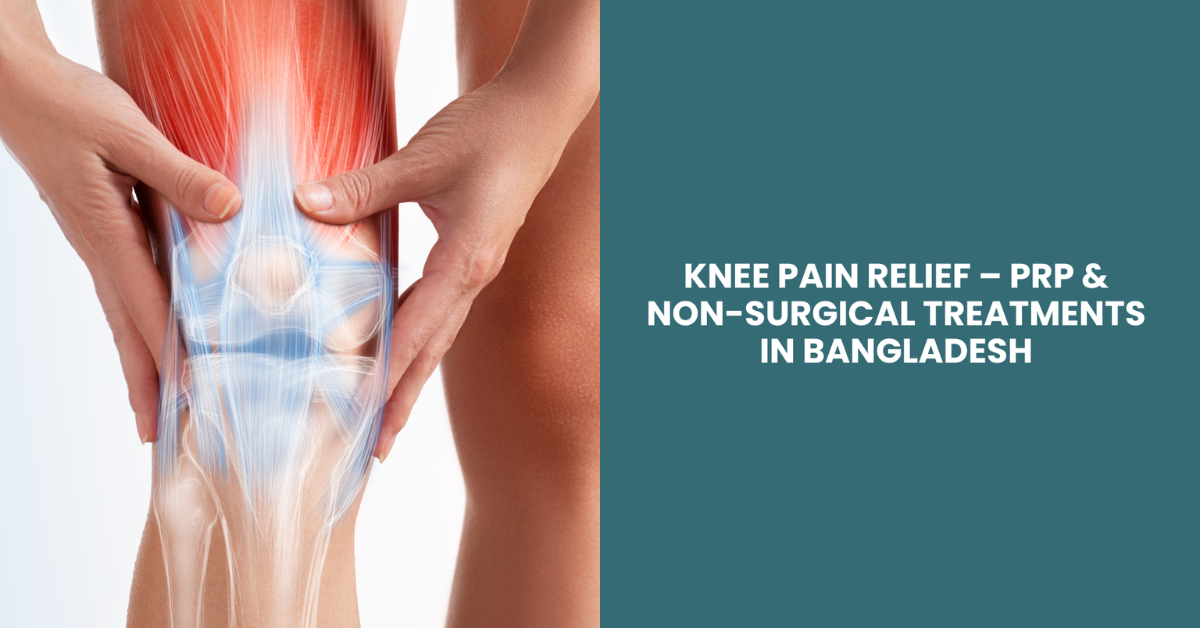
The knee joint is one of the largest and most complex joints in the human body. It connects the thigh bone (femur) with the shin bone (tibia) and is supported by ligaments, cartilage, muscles, and tendons. Because the knee bears body weight and allows repetitive motion, it is highly vulnerable to injury, wear and tear, and biomechanical stress.
Knee pain often becomes chronic when:
- The root cause is not identified
- Treatment focuses only on pain relief
- Muscle weakness and movement faults are ignored
- Posture and lifestyle factors are not corrected
Effective knee pain treatment requires a comprehensive and structured clinical approach, which is the foundation of care at ASPC.
Common Causes of Knee Pain in Bangladesh
In the Bangladeshi population, knee pain most commonly occurs due to:
- Osteoarthritis and cartilage degeneration
- Excess body weight and obesity
- Long periods of sitting or standing
- Squatting and floor-sitting habits
- Weak quadriceps, hamstrings, and hip muscles
- Sports injuries and overuse
- Ligament injuries (ACL, PCL, MCL, LCL)
- Meniscus injuries
- Patellofemoral pain syndrome
- Poor walking mechanics and posture
- Previous trauma, falls, or road traffic accidents
Office workers, garment workers, drivers, athletes, homemakers, and elderly individuals are particularly prone to knee problems.
Why Choosing the Best Knee Pain Doctor Matters
Not all knee pain is the same. Two patients with similar symptoms may have completely different underlying causes. Treating knee pain without proper diagnosis often results in temporary improvement followed by recurrence.
The best knee pain doctor should:
- Accurately diagnose the condition
- Identify biomechanical and structural issues
- Avoid unnecessary surgery
- Provide individualized treatment
- Focus on long-term recovery and prevention
This is exactly where Dr. Shahadat and Dr. Sapia stand apart.
ASPC Manipulation Therapy Centre – A Center of Excellence
ASPC Manipulation Therapy Centre is one of the most trusted names in non-surgical pain management and physiotherapy in Bangladesh. The center is dedicated to treating musculoskeletal pain using evidence-based, internationally accepted physiotherapy methods.
ASPC is built on the principles of:
- Accurate clinical diagnosis
- Non-surgical treatment
- Patient education
- Functional recovery
- Long-term prevention
Thousands of patients who were previously advised surgery have regained normal function through treatment at ASPC.
Dr. Mohammad Shahadat Hossain, PT – A Leader in Knee Pain Management
Dr. Mohammad Shahadat Hossain, PT, is a highly respected pain management specialist known for his expertise in treating complex knee pain conditions without surgery.
Why Dr. Shahadat Is Considered One of the Best Knee Pain Doctors in Bangladesh
- Deep understanding of knee joint anatomy and biomechanics
- Expertise in non-surgical pain management
- Ability to identify the exact source of knee pain
- Strong focus on functional recovery
- Experience treating patients advised for surgery
- Evidence-based decision-making
- Honest and patient-focused care
Dr. Shahadat’s approach is not limited to symptom relief; he focuses on correcting the underlying cause of knee pain, ensuring lasting improvement.
Dr. Sapia Akter, PT – Excellence in Physiotherapy and Rehabilitation
Dr. Sapia Akter, PT, is an experienced physiotherapy specialist who plays a critical role in knee pain rehabilitation at ASPC. Her expertise lies in restoring strength, movement, and confidence in patients suffering from knee problems.
Why Dr. Sapia Akter Is Highly Trusted for Knee Pain Treatment
- Expert in therapeutic exercise and rehabilitation
- Strong focus on muscle strengthening and joint protection
- Excellent patient communication and education
- Customized rehabilitation planning
- Special attention to elderly and female patients
- Long-term functional recovery focus
Her structured rehabilitation programs help patients regain mobility and prevent recurrence.
Comprehensive Knee Pain Assessment at ASPC
Knee pain treatment at ASPC begins with accurate and detailed assessment, not guesswork.
Assessment Includes:
- Detailed pain and medical history
- Observation of knee alignment and posture
- Gait (walking) analysis
- Muscle strength testing
- Flexibility assessment
- Joint mobility examination
- Balance and coordination testing
- Review of X-ray or MRI if required
This detailed evaluation allows Dr. Shahadat and Dr. Sapia to identify the true cause of knee pain and design targeted treatment.
Treatment Philosophy at ASPC
The knee pain treatment approach at ASPC is based on five key pillars:
- Pain Reduction – Safe and effective pain control
- Correction – Addressing biomechanical and postural faults
- Strengthening – Improving muscle support around the knee
- Movement Retraining – Restoring correct walking and activity patterns
- Prevention – Preventing recurrence and avoiding surgery
Each patient receives a fully individualized treatment plan.
Advanced Knee Pain Treatment Approaches at ASPC
1. Advanced Physiotherapy
Physiotherapy focuses on:
- Improving knee joint mobility
- Reducing stiffness and swelling
- Restoring normal movement
- Improving functional capacity
Treatment progresses gradually based on patient tolerance.
2. Manual Therapy
Manual therapy techniques are used to:
- Improve joint movement
- Reduce muscle tightness
- Improve circulation
- Relieve pain
These hands-on techniques are applied with precision.
3. Muscle Strengthening Programs
ASPC emphasizes strengthening:
- Quadriceps
- Hamstrings
- Gluteal muscles
- Hip stabilizers
- Calf muscles
Stronger muscles significantly reduce knee joint stress.
4. Knee Stabilization and Balance Training
Balance and proprioception training improves joint control and reduces the risk of falls and re-injury.
5. Postural and Biomechanical Correction
Patients are trained to correct:
- Walking patterns
- Sitting and standing posture
- Stair climbing technique
- Squatting habits
Correct biomechanics reduce knee overload.
6. Gait Training
Patients learn efficient walking techniques to minimize knee stress during daily activities.
7. Electrotherapy Modalities
Used to reduce pain and inflammation:
- Ultrasound therapy
- TENS
- Interferential therapy
8. Heat and Cold Therapy
- Heat therapy relaxes muscles
- Cold therapy reduces inflammation
9. Stretching and Flexibility Training
Stretching improves muscle flexibility and joint movement.
10. Lifestyle Modification and Patient Education
Patients receive guidance on:
- Weight management
- Joint protection
- Safe exercise habits
- Proper footwear
- Activity modification
Education is essential for long-term success.
Conditions Treated by Dr. Shahadat and Dr. Sapia
- Knee osteoarthritis
- Patellofemoral pain syndrome
- Ligament injuries
- Meniscus injuries
- Sports-related knee injuries
- Post-surgical knee rehabilitation
- Chronic knee pain
- Age-related knee degeneration
Patient Recovery Experience at ASPC
Most patients experience noticeable improvement within a few sessions.
Common outcomes include:
- Reduced pain and stiffness
- Improved walking and stair climbing
- Increased confidence
- Reduced reliance on pain medication
- Better quality of life
Many patients avoid knee surgery entirely.
Why Dr. Shahadat and Dr. Sapia Are Among the Best Knee Pain Doctors in Bangladesh
They stand out because of:
- Accurate diagnosis
- Non-surgical expertise
- Personalized treatment
- High patient satisfaction
- Long-term results
- Ethical and honest care
Their combined expertise makes ASPC a center of excellence for knee pain treatment.
Patient Satisfaction and Trust at ASPC Manipulation Therapy Centre
Patient satisfaction is one of the strongest indicators of successful medical care, and at ASPC Manipulation Therapy Centre, it is considered a core measure of treatment quality. Under the expert care of Dr. Mohammad Shahadat Hossain, PT, and Dr. Sapia Akter, PT, ASPC has built a reputation for high patient satisfaction through ethical practice, effective treatment, and compassionate care.
Thousands of knee pain patients who have received treatment at ASPC report not only significant pain relief but also a positive overall healthcare experience. Many of these patients had previously tried medications, injections, or consultations at multiple centers without long-term success. At ASPC, they found a clear diagnosis, structured treatment plan, and honest guidance often for the first time.
Why Patients Are Highly Satisfied with ASPC
Patients consistently express satisfaction due to several key factors:
- Accurate Diagnosis:
Dr. Shahadat and Dr. Sapia take time to identify the true cause of knee pain rather than treating symptoms alone. This builds patient confidence and trust. - Clear Communication:
Treatment plans are explained in simple language. Patients understand what is causing their pain, how physiotherapy will help, and what to expect during recovery. - Non-Surgical Focus:
Many patients feel relieved knowing that their knee pain can be managed without surgery. This conservative, evidence-based approach increases comfort and satisfaction. - Personalized Care:
Each patient receives an individualized physiotherapy and rehabilitation program based on age, condition severity, lifestyle, and functional goals. - Respectful and Caring Environment:
Patients frequently mention the polite behavior, patience, and supportive attitude of both doctors and the clinical team.
Patient-Reported Outcomes
Patients treated by Dr. Mohammad Shahadat Hossain, PT, and Dr. Sapia Akter, PT, commonly report:
- Significant reduction in knee pain
- Improved walking and stair-climbing ability
- Reduced stiffness and swelling
- Increased confidence in daily movement
- Improved sleep quality
- Reduced dependence on pain medication
- Avoidance of knee surgery
Many elderly patients express satisfaction at being able to walk independently again, while working professionals appreciate returning to daily activities without discomfort. Athletes and younger patients often report faster recovery and improved performance after rehabilitation.
Conclusion
Knee pain can significantly limit mobility, independence, and overall quality of life. However, surgery is not always necessary. With proper diagnosis, expert care, and advanced physiotherapy, most knee pain conditions can be managed successfully.
For anyone searching for the best knee pain doctor in Bangladesh, Dr. Mohammad Shahadat Hossain, PT, and Dr. Sapia Akter, PT, at ASPC Manipulation Therapy Centre, offer trusted, evidence-based, non-surgical treatment. Their comprehensive and patient-centered approach has helped thousands of people return to a pain-free, active, and confident life.